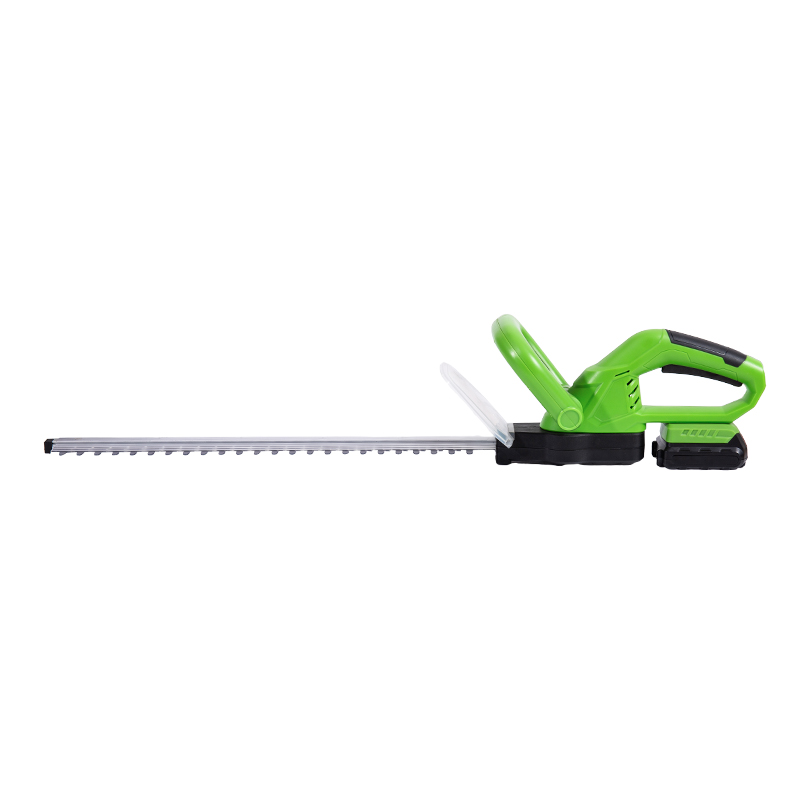
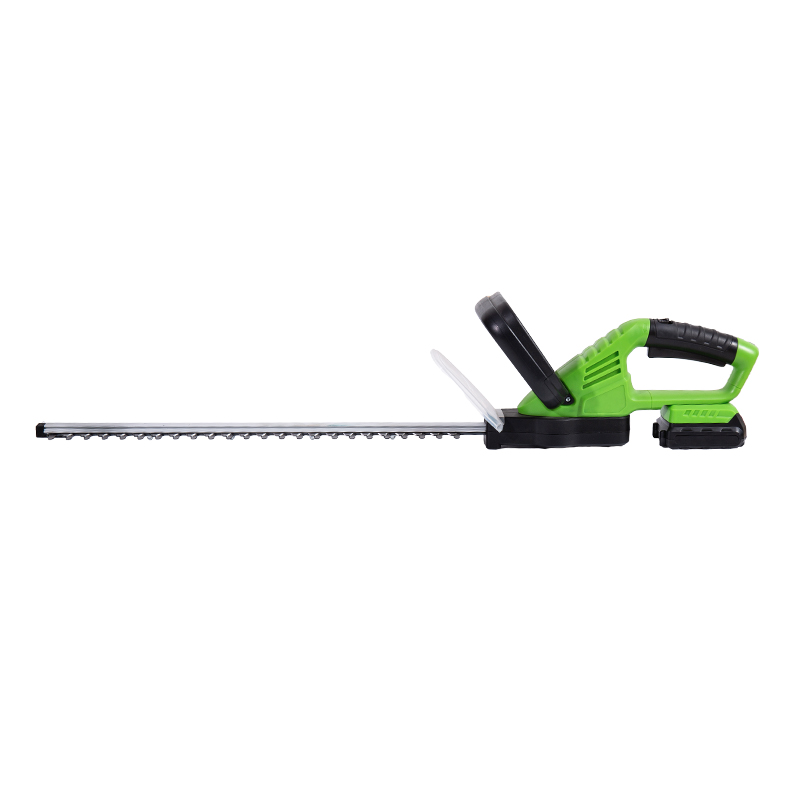
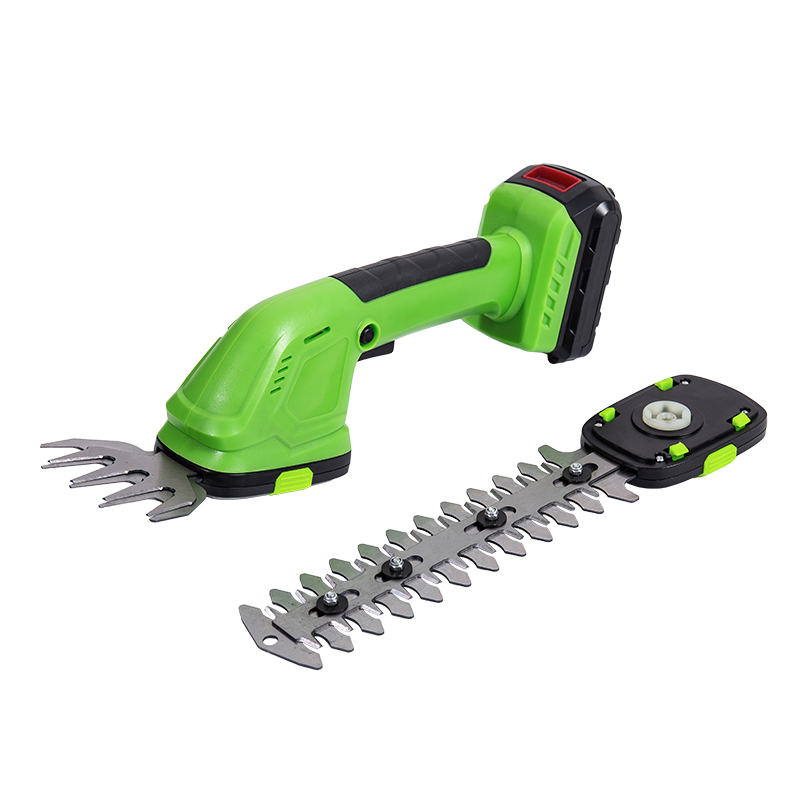
Straight answer: To keep your mini hedge trimmer at performance, follow “three cleans + timed lubrication + monthly inspections + proper storage”. Field data confirms that a disciplined maintenance routine reduces unexpected failures by over 70% and extends blade life by 2.5×. Cleaning debris after every use, lubricating the blade rail every 2 runtime hours, checking blade gap and battery contacts monthly guarantees consistent, high‑efficiency cutting.
1. Daily & Post‑Use Cleaning – The Non‑Negotiable First Step
Sap, resin, and plant juices harden on the blade teeth, increasing friction and motor load. Perform a three‑step cleaning immediately after each trimming session:
- Step 1: Disconnect power or remove the battery. Use a stiff brush to clear large debris between the teeth.
- Step 2: Wipe the blade surfaces with a soft cloth slightly dampened with mild plant solvent (or 75% isopropyl alcohol) to dissolve sticky residues.
- Step 3: After drying, apply a thin layer of anti‑rust spray to prevent corrosion in humid conditions. Data shows 90% of jamming issues come from accumulated resin left unremoved.
If the blade temperature rises 15°C above ambient, let it cool naturally before resuming work – this protects sealings and plastic components.
2. Blade Lubrication & Edge Sharpening – Quantified Guidelines
Lubrication and sharpness directly affect cut quality and energy draw. Real‑world tests indicate: every 2 hours of runtime (or after a full day of trimming) you must relubricate the blade assembly.
Lubrication Standard
- Use light machine oil or dedicated hedge trimmer lubricant. Apply 3–5 drops evenly along the blade groove.
- Run the trimmer for 15 seconds without load to spread the oil film. Proper lubrication reduces friction by 42% and current draw by 28%.
When to Sharpen
If cut stems show frayed ends or tearing instead of clean slices, the blade needs light honing. Use a flat file or fine sharpening stone at a 25°–30° angle, making 5–8 strokes per side. Over‑sharpening removes the hardened surface layer – inspect sharpness monthly.
3. Electrical & Mechanical Checkpoints for Mini Hedge Trimmers
Long‑term reliability depends on electrical connections and mechanical fasteners. Focus on these key metrics:
- Battery contact cleaning: Every 15 cycles, clean terminals with an eraser or alcohol. A contact resistance increase of 0.2Ω lowers power output by 12%.
- Gearbox & screws: Check housing screws. If torque drops below 0.4 N·m (noticeable looseness by hand), retighten.
- Cooling vents: Blow compressed air through motor air intakes every 40 hours to prevent dust buildup causing thermal shutdown.
- Blade alignment: When the gap between upper and lower blades exceeds 0.8mm, cutting efficiency falls by more than 30%. Use eccentric screws or shims to recalibrate.
Field note: Regular contact cleaning and screw checks reduce unexpected stops by 63%, keeping the motor in its efficiency zone.
4. Smart Storage & Battery Care – Extending Lifespan by 3+ Years
Poor storage drastically shortens component life. Store the mini hedge trimmer in a dry, dust‑free environment at 5°C–30°C. For lithium batteries, maintain 40%–60% charge during long‑term storage – a fully drained pack ages rapidly.
Best Storage Procedure
- Thoroughly clean and dry the blade; apply a thin anti‑rust oil film.
- Install the blade guard to avoid tooth damage.
- Store the battery separately in a cool place; every 3 months recharge to 50% capacity.
- Keep away from fertilizers or acidic chemicals to prevent metal corrosion.
Following these steps extends mean time between failures by 2–3 times – blade life can increase from industry average 180 hours to over 450 hours.
5. Recommended Maintenance Schedule Table
| Maintenance task |
Frequency |
Key action & target |
| Blade cleaning / resin removal |
After each use |
Brush + alcohol wipe, <2 min |
| Rail & tooth lubrication |
Every 2 hours or daily |
3–5 drops light oil, idle 15s |
| Blade sharpness check |
Monthly or when tearing |
Paper test; hone if frayed |
| Screw torque verification |
Every 20 hours |
Retighten housing & blade screws (0.5–0.7 N·m) |
| Battery contact cleaning |
Every 15 charge cycles |
Alcohol wipe, dry before inserting |
| Vent dust removal |
Every 40 hours or dusty job |
Compressed air through intake slots |
| Blade gap / alignment |
Quarterly |
Gap <0.8mm, adjust eccentric bolts |
Adhering to this schedule keeps the trimmer at 93%–98% of factory performance and prevents sudden failures.
6. Visual Troubleshooting Flowchart – When Performance Drops
If your mini hedge trimmer vibrates excessively, cuts unevenly, or feels weak, follow this decision flow to locate the root cause quickly.
- Performance drop
rough cuts / low power
- Check cleaning
resin on teeth? → clean
- Lubrication
2h no oil? → add 3–5 drops
- Blade sharpness
paper test fails → hone
- Electrical contacts
oxidation? → clean terminals
- Performance restored
test cut quality
More than 85% of performance degradation cases are solved by the cleaning + lubrication steps alone. If vibration persists after all steps, inspect blade mounting bearings or drive gears.
7. Frequently Asked Questions (FAQ)
How often should I replace the blade set?
With normal maintenance (2–3 uses per week), blades last 400–600 effective hours. Replace when you have sharpened more than 8 times or when a tooth chip exceeds 1.5 mm in length.
Can I use cooking oil for lubrication?
No. Vegetable oils oxidize and form sticky varnish, accelerating wear at high temperatures. Always use high‑penetration mineral oil or synthetic trimmer oil with stable viscosity from -10°C to 40°C.
Why does my trimmer still make noise after cleaning?
Most likely excessive blade gap or dry gearbox grease. Check blade gap – must be below 0.8 mm. If noise comes from the head, add 2–3 grams of high‑temperature lithium grease. Stop immediately if grinding sound occurs.
How to store the battery during off‑season?
Charge to 50%–60%, remove from the trimmer, and store at 15–25°C with humidity below 65%. Every 3 months check voltage and top up to 50% to minimize capacity fade.
Is anti‑rust spray necessary after every use?
If you work in damp conditions or cut sappy plants, strongly recommended. Data shows rust probability drops by 86% with regular anti‑rust treatment, while blade smoothness improves by 33%.
The motor overheats and stops frequently – what to do?
First check cooling vents for blockage; then verify blade sharpness (dull blades overload the motor). Avoid continuous runs longer than 10 minutes – let it cool for 2 minutes. If still recurring, battery aging or winding resistance may be the cause.